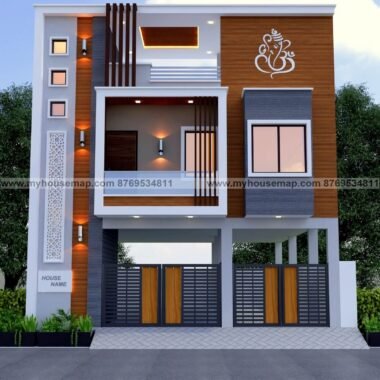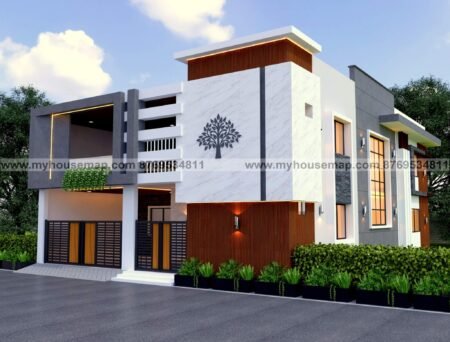
When designing an elevation, choosing between traditional civil work and modern dry cladding (HPL and ACP) fundamentally changes the construction process, aesthetics, and long-term maintenance of a building.
Here is a full, detailed comparison between Civil Work Exterior Design and HPL/ACP Elevation Design.
Fundamental Approach
Civil Work Exterior: This is a “wet construction” method. It relies on brickwork, RCC (Reinforced Cement Concrete) projections, cement plastering, putty, exterior paints, textured finishes, and heavy stone or tile cladding applied directly to the wall using mortar or adhesives.
HPL & ACP Elevation: This is a “dry cladding” system. High-Pressure Laminates (HPL) and Aluminium Composite Panels (ACP) are lightweight sheets installed over an Aluminum or MS (Mild Steel) tubular framework that is anchored to the existing wall.
Aesthetics and Finish
Civil Work: Ideal for achieving monolithic looks, classical arches, intricate cornices, and organic, seamless forms. The finish relies heavily on the skill of the mason and painter. While you can achieve beautiful heavy aesthetics with black stone cladding or CNC-cut stone, minor undulations in the plaster can affect the final look.
HPL & ACP: Delivers a sharp, sleek, and highly modern contemporary aesthetic.
ACP is perfect for clean, metallic, solid, or even high-gloss marble textures without the massive weight of real stone.
HPL provides warm, highly realistic wood-grain finishes (like rich walnut wood) that add warmth to modern box-style elevations. The factory-finished edges and precise silicone-filled groove lines create a perfectly sharp geometric grid.
Installation Time and Labor
Civil Work: Time-consuming. It involves multiple stages—brickwork, curing, plastering, curing again, primer, and multiple coats of paint or texture. Modifications mid-project require breaking and rebuilding.
HPL/ACP: Exceptionally fast. Once the basic wall is ready, the metal framework is drilled into place, and the pre-routed or pre-cut panels are riveted or screwed on. Large commercial facades or residential makeovers can be clad in a matter of days.
Durability and Weather Resistance
Civil Work: Structurally, RCC and brick are highly resistant to impact. However, the surface (paint and texture) is prone to algae growth, water seepage, efflorescence (white salt patches), and fading from harsh UV rays, especially during heavy monsoons.
HPL/ACP: Both materials are engineered to withstand extreme weather. High-quality exterior HPL is highly UV-resistant and won’t fade or rot like natural wood. ACP acts as a rainscreen, preventing water from reaching the primary brick wall. However, ACP can be dented by heavy physical impact, and the silicone sealants in the panel grooves may need replacement after a decade to prevent water ingress.
Dead Weight and Structural Load
Civil Work: Creating heavy projections, pergolas, or thick stone facades adds significant dead load to the building’s structural frame. Foundations and beams must be calculated to bear this weight.
HPL/ACP: These materials are incredibly lightweight. You can create massive, cantilevered “box” aesthetics or extended fascias using just hollow MS framing and ACP/HPL, completely transforming a simple structure without overloading the beams.
Thermal Insulation
Civil Work: Standard plastered walls absorb solar heat and transfer it into the building, requiring thicker walls or specialized thermal blocks to keep interiors cool.
HPL/ACP: The dry cladding system inherently leaves a 2 to 4-inch air cavity between the masonry wall and the panel. This air gap acts as an excellent thermal insulator, significantly reducing the amount of heat transmitted to the building’s interior.
Maintenance and Lifespan
Civil Work: Requires a fresh coat of exterior paint every 5 to 7 years to maintain a premium look. Textures trap dust and require pressure washing.
HPL/ACP: Practically maintenance-free. A simple wash down with mild soapy water once a year restores the original shine. High-quality panels easily retain their finish for 15 to 20 years.
Cost Analysis
Civil Work: Lower initial material cost (sand, cement, basic paint). However, high-end textures or premium natural stone cladding will drive the price up significantly. Long-term costs are higher due to repainting and crack-filling maintenance.
HPL/ACP: Higher initial capital investment due to the cost of the panels, structural aluminum/steel framing, and specialized fabrication labor. However, it offers an excellent return on investment due to the near-zero maintenance over its lifespan.
Summary Verdict
For a purely classical or heavily ornamented structure, civil work is non-negotiable. However, for a high-end, modern contemporary elevation, relying on civil work for the base structure and utilising HPL and ACP to highlight specific architectural features (like C-shaped framing, entrance canopies, or vertical wooden-textured louvres) yields the sharpest, most professional result. This hybrid approach keeps costs balanced while delivering a flawless, weather-resistant 3D aesthetic.